Modern Technologies in the Models of the Model World
Blog
Modern Technologies in the Models of the Model World
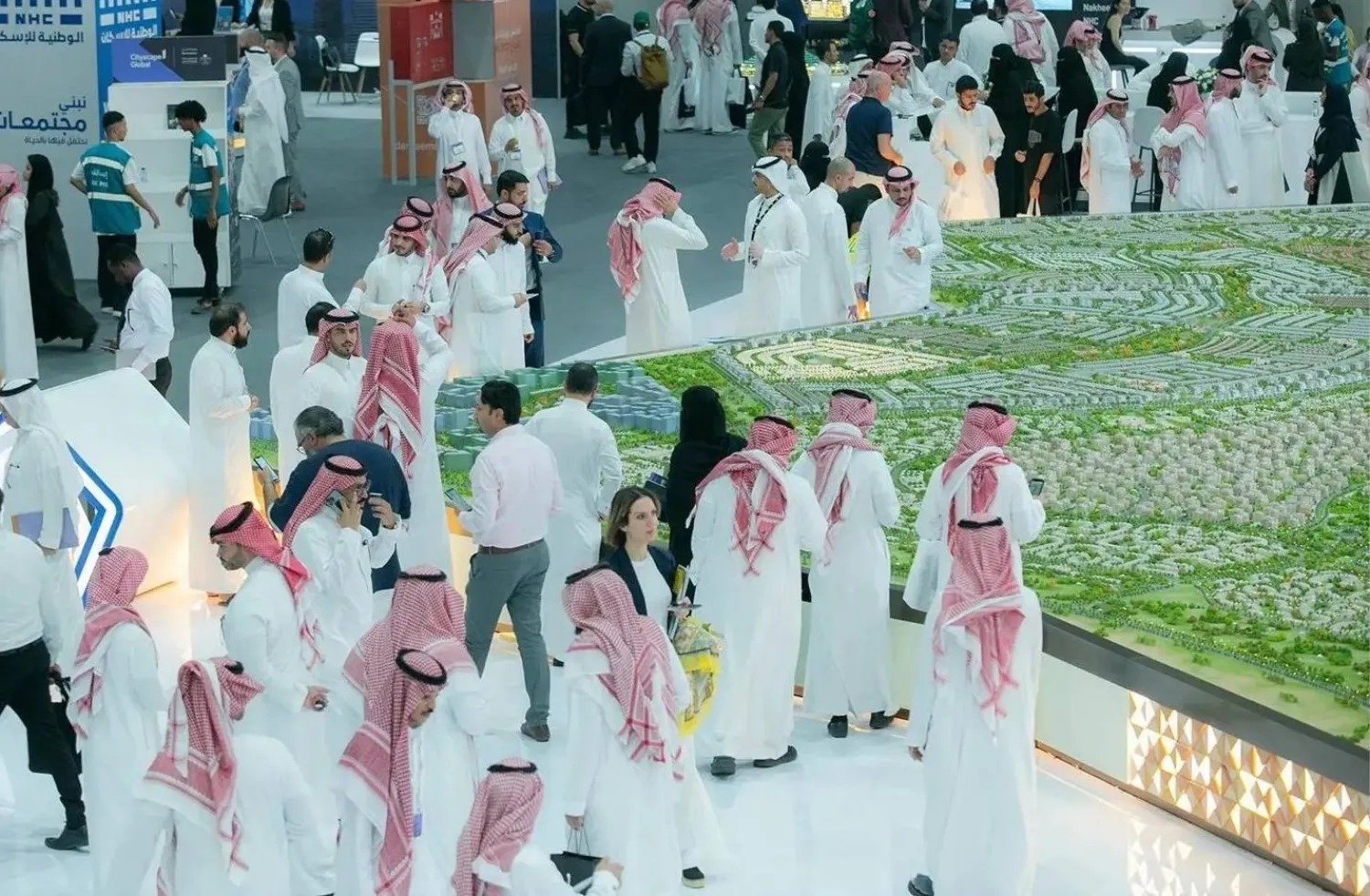
Do you know what modern technologies are used in the models of the Model World? In an era of rapid innovation, architectural design has evolved beyond traditional two-dimensional plans or conventional visualizations.
Large-scale real estate projects, especially under the ambitious Vision 2030 of the Kingdom, require marketing tools that go beyond the ordinary, offering a rich and convincing experience for clients and investors.
3D Printing and Laser Cutting: The Foundation of Precision and Realism
Before discussing interactive technologies, it is essential to highlight the solid foundation that ensures the quality of the models. Precision and realism are the hallmarks of the company's work.
3D Printing: This technology is used to construct models with extreme precision, ensuring that every detail in the architectural design, no matter how small, is clearly highlighted. It provides a detailed simulation of buildings and structures, offering investors a comprehensive and realistic view of the project.
Laser Cutting: Laser cutting devices are used to cut complex parts with high accuracy, ensuring that all components fit together perfectly. This technology helps achieve the highest standards of quality and professionalism, ensuring the final model is free of any defects.
Image
Moving Lighting: Bringing Models to Life
Lighting is one of the most important elements that transform a static model into a vibrant artistic work. By integrating moving lighting systems, the company can narrate the story of the project.
Dynamic Path Lighting: Smart lighting paths are designed within the model, simulating car movements on roads or pedestrian movements in corridors. This lighting is not static but dynamically changes to add vitality to the scene and capture the viewer's attention.
Scene-Based Lighting Control: The lighting of the model can be controlled to highlight specific parts, such as the main building, green spaces, or recreational facilities. This control allows developers to focus the audience's attention on the project's most prominent features.